The Hidden Impact of Police Body Cameras on Officer Safety and Decision-Making
What to Know
- Body-worn cameras serve as tools for liability management, evidence collection, and behavioral accountability for law enforcement officers.
- Habit formation around camera use, such as turning cameras on/off and verbalizing observations, typically takes around eight weeks but can be complicated by ingrained behaviors.
- Policies must be carefully examined and updated to prevent cameras from causing delays or safety risks, ensuring officers can respond effectively without hesitation.
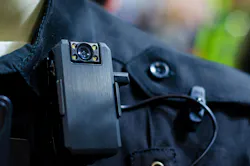
From 2014 through 2016, when the huge push for and widespread adoption of bodyworn cameras surged, it seemed that there were two differing driving factors. On the one hand, agencies saw the cameras as easy and ready-made liability management tools, not to mention that they were convenient evidence collectors. On the other hand, the public perceived the cameras as a sort of leash that kept law enforcement behavior within acceptable parameters and provided proof when the behavior exceeded the parameters in any undesirable fashion.
For the public who supported adopting body-worn camera programs, there seemed to be the expectation that any unprofessional conduct would immediately be caught on camera and there would be overwhelming proof that law enforcement officers, in general, were unprofessional, callous, bullying, power-abusing … well, you get the idea. Most agency leaders knew better than that but often had nothing but anecdotal evidence to support their outlook.
Enter the body-worn camera, in all its variations at the time, and an undocumented experiment on the behavioral impact of having one’s movements, words and actions recorded “24/7,” at least while on duty. It’s only now, over a decade later, that we can look back to analyze the impact of body-worn cameras on day-to-day behaviors.
But as we look back, what’s the question we’re trying to answer? Should law enforcement leadership care if the body-worn cameras changed old habits or created new habits? Or should the concern only be limited to the impact on professional performance as recorded? Realistically, increased or maintained professional performance would be the result of either habit reinforcement or habit correction. For example, many parents can tell you how easy it is to use colorful language day to day but turn that language off as soon as there are children around. Is the behavior of law enforcement the same way? And is leadership only worried about their professionalism when they engage with the public? Or perhaps when they are in the public eye?
It’s safe to say that the primary goal of equipping officers with body-worn cameras was to document public interactions both to defend against accusations of unprofessional conduct and to encourage officers to act as professionally as possible in any given circumstance. The evidentiary value of the videos captured was an added bonus, but little consideration was initially given to the long-term behavioral impact.
Per most research available, building a new habit takes, on average, eight weeks depending on how frequently the task involved is performed and how complex it is. When we’re talking about modifying common daily vocabulary, it would seem a simple task that would take less time. However, remember that we may be trying to change language habits built over 21-plus years, and in some cases the vocabulary was never restricted before. Additionally, there are behaviors specifically related to the body-worn camera that had to be trained on and, after they were, would be performed before other tasks. Could conflict exist between executing habitual behavior and doing something different that was necessary to respond in an emergency?
It should be obvious that wearing a camera and performing any related behaviors, such as putting it on when exiting a patrol vehicle or taking it off to put into a charging dock when getting back into the patrol vehicle, are trained habits. Turning it on to save a recording when approaching an incident scene and turning it off when believing the call has been cleared are learned habitual behaviors. Even checking whether you have it on before you go on duty is a habitual behavior.
The other impacts they may have are not as easily observed but may need to be accounted for in policy. As mentioned above, the officer’s usual language and vocabulary may be different when the camera is recording. How aggressive the officer’s speech patterns are (or aren’t) may change when the camera is recording. How aggressive the officer is in paying attention to survival tactics … do they change when the camera is recording? Is there any concern that an officer-survival behavior might be viewed as unprofessional and therefore avoided or delayed unnecessarily because of that concern?
Many an officer has been taught to look for pre-attack indicators when interacting with an individual: someone rolling up their sleeves, positioning their feet for a fighting stance, clenching their fists, and others. If the body camera is recording and the officer identifies those pre-attack cues verbally, might that be interpreted as unprofessional or unnecessarily antagonistic? If so, might the officer not verbalize the observations, leading the individual to believe that they’ve gone unnoticed and empowering them, to some extent, to go ahead with their assault?
The habit we need to concern ourselves with is that of hesitation. Wearing a body camera should not slow the officers down in their response to potential threats, a need for assistance, or other duties they perform. If they have to slow down to put it on as they exit their vehicle, there might be an attached cost in circumstance. If they hesitate to verbally engage a subject because of the camera, there might be an attached cost. If they hesitate to engage physically when it’s necessary and justified, there might be an attached cost.
We have all seen videos of officers who acted too slow, and it cost them, or other officers, injuries or worse. The wearing of a body camera, and all of the policy that surrounds it, should never result in hesitation on the officer’s part. If so, then the policy needs to be re-examined and the officers retrained or simply reassured. The one thing a body-worn camera should never do is increase the officer’s safety risk, and unfortunately we have seen times when that’s been the exact result.
We encourage you to examine your agency’s policies governing the use of body-worn cameras. Are adjustments needed before an officer pays the price in hesitation?
About the Author
 Lt. Frank Borelli (ret), Editorial Director
Lt. Frank Borelli (ret), Editorial Director
Editorial Director
Lt. Frank Borelli is the Editorial Director for the Officer Media Group. Frank brings 25+ years of writing and editing experience in addition to 40 years of law enforcement operations, administration and training experience to the team.
Frank has had numerous books published which are available on Amazon.com and other major retail outlets.
If you have any comments or questions, you can contact him via email at [email protected].