How GPS Fleet Tracking Improves Police Response, Officer Safety
What to Know
- GPS fleet tracking replaces traditional radio check-ins with live maps, enabling dispatchers to route units based on real-time proximity and traffic conditions.
- Live location data enhances officer safety by allowing quicker backup deployment and coordinated pursuits, reducing risks during high-stakes incidents.
- The technology provides comprehensive visibility over all fleet assets, including patrol cars, K-9 units, and support vehicles, facilitating maintenance and staffing decisions.
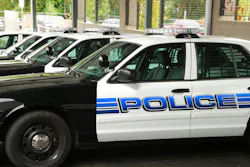
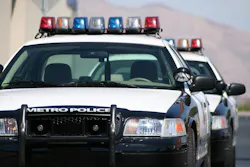
By Robert Hall, Jr., VP of Sales and Marketing at Track Your Truck, Inc.
Many police departments still coordinate their fleets reactively. Dispatchers and watch commanders lean on radio check-ins and verbal updates rather than centralized, live location data. That approach leaves a visibility gap in fast-moving incidents when commanders cannot pinpoint where each unit actually is.
Police fleets are also harder to manage than most, running on multi-shift, multi-unit deployments with unpredictable patrol patterns and a mix of vehicle types. Global positioning system (GPS) fleet tracking helps close that gap, giving dispatchers and command staff a live, shared picture of every unit.
That shared view does more than speed up dispatch. It strengthens officer safety, keeps the wider fleet ready, and builds a record departments can stand behind when the public asks questions.