Poll: Would Flock Camera Limits Hurt Law Enforcement?
What to Know
- A growing grassroots movement in North Texas is challenging the expansion of AI-powered Flock license plate reader cameras, arguing the technology creates an extensive record of drivers' movements that raises privacy concerns.
- Police agencies and law enforcement groups say the cameras are a critical investigative tool that helps solve crimes, recover stolen vehicles, locate missing people and identify suspects, with Dallas police citing the technology as part of broader crime-fighting efforts.
- The debate has reached state and federal lawmakers, who are proposing safeguards on data retention, sharing and warrant requirements, while critics and supporters alike increasingly agree that stronger oversight may be needed.
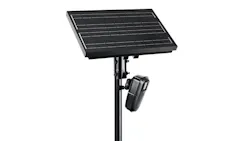
Hannah Foust's entry into a growing debate over police surveillance began with a photo in a group chat.
A friend had spotted an oblong camera mounted high on a street lamp one May evening over a residential intersection in Carrollton. Not everyone in the chat knew what it was, but within weeks, members of the group were organizing against it.
They learned that similar AI-assisted Flock cameras were appearing along roads across the country, logging billions of vehicle locations each month. Each capture could include a plate, color, make and distinguishing features — down to bike racks and dents — feeding a vast searchable network police use to identify suspects and locate missing people and vehicles.
To them, it felt like an invasion of privacy that didn't make sense: an almost unfathomable record of ordinary drivers' movements. They wondered how a tool with such reach had quietly spread so widely.
"It's more than what's needed," Foust, a 41-year-old project manager, said in an interview with The Dallas Morning News. "It's like using a jackhammer to hang a picture frame."
The photo from that Carrollton group chat would lead the friends to knock on doors, organize meetings, and last week, confront the City Council — joining a broader national conversation weighing public safety against personal privacy.
During Memorial Day weekend, the friends gathered in Foust's living room, their kids playing loudly nearby. They made a plan to reach out across the political spectrum.
Democrats. Republicans. Socialists. Libertarians.
In North Texas, the opposition to a favored law enforcement tool has drawn a rare mix of critics, often from competing political backgrounds. Foust and like-minded Flock opponents want the cameras gone outright. Others — including lawmakers in both major parties, police groups and civil liberties advocates — have called for tighter oversight and rules.
The debate is moving from online discourse and local meetings into proposed legislation in Congress aimed at limiting the technology. Concerns have been sharpened by allegations of misuse by officers, including stalking.
Police officials, meanwhile, describe the cameras as a critical investigative tool, especially during the first 24 to 48 hours after a crime, when leads can be most valuable. A total ban is a non-starter for many.
Dallas Police Chief Daniel Comeaux said the technology — alongside other surveillance tools — has played a part in the city's five-year decline in reports of violent crime.
"Everywhere you turn, there's cameras all throughout Dallas," Comeaux said in an interview with the Dallas Weekly that aired in late June. "But let's also realize this: That's why right now we have a 97% clearance rate of murders."
Dallas police declined to comment on the proposed legislation aimed at limiting the technology, saying the department regularly reviews policies and practices to ensure they remain consistent with "applicable law, evolving technology and best practices."
Dallas police conducted more than 800,000 searches of its Flock Safety network in 2025, and were on a similar pace through the first quarter of 2026, according to a data analysis by The News of company-generated audit logs showing Dallas police searches. Police provided the data in response to open records requests.
In 2025, almost 5,000 other agencies nationwide tapped into Dallas' network of Flock cameras more than 10.3 million times, according to The News' analysis of Dallas audit reports showing searches by outside agencies that included the Dallas network.
While searches by Dallas police that included the department's own network continued at the same pace, searches by outside agencies that included Dallas' network rose more than 41% in the first quarter of 2026 compared with the same period a year earlier, according to the same News analysis.
There are 670 Flock cameras across the city, police said last week, with some becoming the target of "intentional damage" and vandalism in recent months.
Flock Safety, the Atlanta-based company whose national network of tens of thousands of cameras is at the center of the debate, said it welcomes legislative conversations in Austin and Washington, D.C.
While the company has recently implemented some audit and oversight tools itself, it would support legislation around how the data is used and shared.
"We believe that safety and privacy must coexist," Paris Lewbel, a Flock spokesperson, said in an email to The News.
He later added that such legislation should also preserve the "effectiveness of this important public safety tool."
"We stand ready to be a resource to lawmakers as they consider these important issues," Lewbel said.