Dispatching Has Never Been Just Radio Management
What to Know
- Dispatchers manage multiple officers, requests, and communication channels simultaneously, requiring exceptional multitasking skills.
- Their role has evolved from simple radio operators to program managers overseeing complex computer systems and emerging technologies.
- They coordinate with various emergency services, often working in specialized communication rooms for law enforcement, fire, and medical personnel.
More on Officer.com
This article appeared in the September/October 2026 issue of OFFICER Magazine
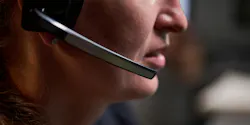
A great many people, including a good chunk of law enforcement professionals, have no real sense of how much a dispatcher juggles or what their full duties encompass. “Back in the day,” it was believed that all they did was answer the radio, run requests for officers, and chit-chat with the other dispatchers. While that might have been close to reality, it left out a few important details of their job. They weren’t just doing that for one officer; they were doing it for however many were assigned to the channel they were working, and if an emergency popped up requiring a channel dedication, then some other dispatcher had to pick up all the “routine” patrol radio work. The dispatcher had to keep track of where each officer was that called out as well as manage information requests and any follow-ons that came from that. They had to put in and manage all requests for additional cars, tow trucks, evidence techs, etc. The bottom line is that they were never just handling one officer (unless your jurisdiction is just that small and then it’s likely you don’t have a dedicated dispatcher). Oh, and let’s not forget that they also managed the phone at their station, often having multiple conversations going on at once while they typed notes, ran requests, etc. They were truly master multi-taskers ... and remain so today. If you want to get a sense of what their job might be like, try typing an email while you have a conversation with your significant other while you pet your dog and answer texts on your phone.
Today’s dispatchers are more program managers than radio operators. The computer systems that they manage require training many of us can’t (or don’t want to) fathom. They are tracking units in real time, using predictive policing models to manage placement, still managing both the radio and the phones, but now they are also communicating via secure messaging systems, coordinating with other dispatchers, the communications supervisor, neighboring jurisdictions and more. Another challenge for them is that they don’t know what “program” they’re managing until they get to work and get the assignment.
Given how software is evolving and artificial intelligence is growing in use, it’s difficult to guess how a dispatcher’s job will change across the next few years. With Drones as First Responder (DFR) programs growing and managed out of communications centers, that is one more thing dispatchers have to stay informed about and help coordinate. Icing on the cake is that some jurisdictions have separate emergency communications rooms for law enforcement, firefighters and emergency medical personnel. Can you imagine being the dispatcher who works in a 9-1-1 call center and is responsible for all three in a given jurisdiction or area and has to take emergency calls initiated by text as well?
While there is no question that law enforcement deals with a difficult job on the streets, the dispatchers aren’t attending a garden party. Their day can be just as challenging, if not more so, and we — the officers on the streets — can impact that in a major way simply by being courteous and thoughtful… or not. The dispatchers are often the forgotten team members that help manage the moving parts of the team and send us salvation when we need it. Just like someone can go on a ride-along with an officer on the streets, we’d recommend that you spend a shift sitting next to a dispatcher. It could prove to be pretty educational.
About the Author
 Lt. Frank Borelli (ret), Editorial Director
Editorial Director
Lt. Frank Borelli is the Editorial Director for the Officer Media Group. Frank brings 25+ years of writing and editing experience in addition to 40 years of law enforcement operations, administration and training experience to the team.
Frank has had numerous books published which are available on Amazon.com and other major retail outlets.
If you have any comments or questions, you can contact him via email at [email protected].