Ariz. Police Department Using Artificial Intelligence-Generated Images to Help Catch Suspects
What to know
• Goodyear police are using artificial intelligence (AI) to create photo-realistic composite images to boost public engagement and generate case leads.
• Legal experts warn the approach could create challenges and courtroom scrutiny.
• But police say the images are only investigative tools, not arrest-level evidence.
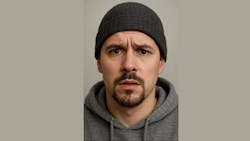
An Arizona police department has begun using artificial intelligence (AI) to create composite images of suspects, and the practice is creating more public engagement and questions, investigators say.
Last week, Goodyear police detectives released an AI-generated image tied to a November shooting. The photo-realistic image was based on witness statements and didn't depict an actual person in a similar fashion as a traditional composite sketch by a forensic artist.
This new technological tool has become a valuable investigative tool for the department, Officer Mike Bonasera told The Washington Post. Bonasera has handled suspect sketches for the department for roughly five years.
Bonasera said he tested past sketches on ChatGPT, a generative AI chatbot, earlier this year. He then got an OK from department brass and the Maricopa County Attorney’s Office to start using the tech for active cases.
“We’re now in a day and age where if we post a pencil drawing, most people are not going to acknowledge it,” Bonasera told The Post.
April saw the department's first AI composite sketch. It was connected to an attempted-kidnapping investigation, and the sketch led to a “deluge of tips,” according to Bonasera.
The more detailed AI images also help witnesses clarify facial features during the interview process, he said. Bonasera creates the images while witnesses are present, incorporating real-time adjustments to match their recollections.
Despite the response from the images, that case and the November both remain open, according to police.
Composite sketches are another way law enforcement is using AI in day-to-day work. Departments are going to the technology to help with facial recognition and streamline reports. But AI sketches venture into unexplored legal territory, and the Goodyear police images could create challenges if the cases end up in a courtroom.
“In court, we all know how drawing works and can evaluate how much reliability to give the human drawn sketch,” Andrew Ferguson, a George Washington University law professor, told The Post. “In court, no one knows how the AI works.”
But Goodyear police say the AI images are strictly investigative aids used to generate leads, not grounds for arrest. Witnesses review and approve every image, and the department continues to pair the AI composites with traditional investigative work, said Bonasera.