Houston Voters Could Decide on No-Knock Warrant Ban, Marijuana Enforcement Limits
What to Know
- Houston activists submitted nearly 40,000 signatures seeking a ballot measure that would make low-level marijuana offenses a lower enforcement priority and prohibit police from using no-knock warrants.
- The proposed no-knock warrant ban is tied to fallout from Houston's 2019 Harding Street raid, while the marijuana provision mirrors similar measures approved in other Texas cities that have faced legal challenges from the state attorney general.
- Houston City Council is expected to decide whether to place the measure on the November ballot, though officials are still verifying signatures to determine whether the 20,000-signature threshold has been met.
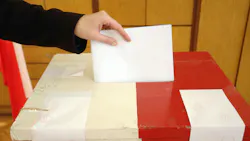
Houston voters could decide this fall whether to amend the city charter to deprioritize enforcement of low-level marijuana offenses and ban police from carrying out no-knock warrants after activists submitted nearly 40,000 petition signatures to City Hall.
The referendum would thrust Houston into the center of Texas' ongoing fight over marijuana enforcement and police tactics. Similar voter-approved marijuana measures in Dallas, Austin and other Texas cities have drawn lawsuits from Attorney General Ken Paxton, who argues municipalities cannot limit enforcement of state drug laws.
The warrant provision, meanwhile, would revisit the 2019 Harding Street raid, when Houston police executed a no-knock warrant based on fabricated evidence and triggered a shootout that wounded several officers, killed two homeowners and spurred years of court proceedings. Afterward, HPD restricted the tactic but stopped short of banning it outright.
Houston City Council is expected to vote Wednesday on whether to place the measures on the November ballot. Mayor John Whitmire's office said in a statement that the signature validation process is still ongoing and the city secretary's office is "on track and confident that the required verification process will be completed soon."
Ground Game Texas submitted roughly 40,000 signatures, the mayor's office said, but the number of validated signatures won't be known until the verification process is completed. In Houston, 20,000 signatures are required to force a vote on amending the city charter.
If that threshold is reached, council must place the item on the ballot, according to the city legal department.
Ground Game Texas hired Houston residents to lead a months-long drive to collect signatures earlier this year, said its director, Catina Voellinger, who said the initiative is the 20th her organization has sponsored in a Texas city.
Workers then submitted the signatures to the city secretary in June to place the "common sense" measures on the ballot, she said.
"We had workers out early in the morning until 2 a.m., because we're hitting the bars, we're going to Montrose, we're going to the farmers market on Navigation, we're going to Fiestas in the parking lot," Voellinger said. "We were everywhere regular, working-class people are."
Voellinger said the no-knock warrant provision was inspired by the Harding Street raid.
The marijuana provision would make enforcement of low-level marijuana offenses a lower priority for HPD, which Voellinger argued would let officers focus on violent crimes and save the city money.
Although the initiative would change HPD policy, Harris County launched a diversion program in 2017 that allows most offenders with less than 4 ounces of marijuana to avoid a criminal charge by taking a drug education class.
Mark Jones, a political scientist at Rice University, said the November election presents favorable conditions for the proposal because Democratic voters — particularly those on the progressive wing of the party — appear highly motivated to participate.
Jones said decriminalization is often viewed by voters as a compromise between full legalization and existing criminal penalties.
Polling has found voters have mixed attitudes on marijuana policy — which have shifted in Texas as recently as last month, when a statewide ban took effect on delta-8 and other consumable hemp products containing more than trace amounts of THC.
____________
© 2026 the Houston Chronicle.
Visit www.chron.com.
Distributed by Tribune Content Agency, LLC.